Talk to an Expert+968 2444 9092
Request a Quote
Pulsed Eddy Current (PEC) And Other Advanced Eddy Current Inspection Techniques Are Ideal Tools For Detecting Corrosion Under Insulation (CUI) And Fireproofing (CUF).
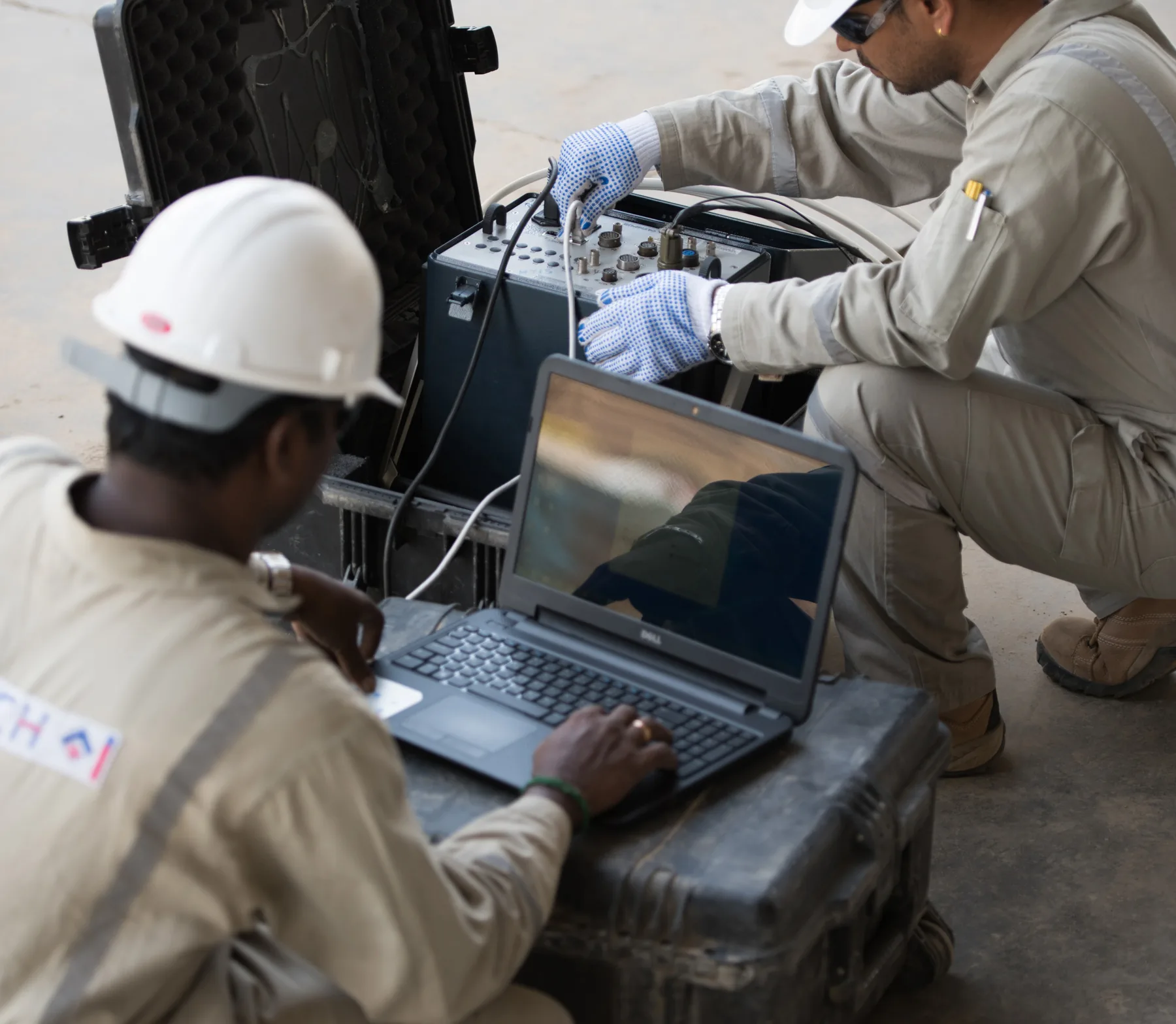
Advanced Eddy Current Inspection Technology Can Help Detect Hidden Corrosion Before It Becomes A Potentially Expensive And Hazardous Problem. HITECH Utilized Pulsed Eddy Current (PEC) And PEC Array (PECA) Inspection Services For Tanks, Spheres, Piping Systems, And Other Assets.
Using The PEC Inspection Technique Offers A Variety Of Benefits, Including:
Our Under Water PEC Probes Can Offer Complete Solution Dedicated To Providing The Most Accurate Remaining Wall Thickness Over Surface-Forming Scabs And Corrosion Blisters, Commonly Found On Offshore Assets. Our PEC Technology Detects The Smallest Defects Possible, Generating Clean And Compelling C-Scans Of Typical Scabs In Less Than A Minute.
The Underwater PEC Probe Is Designed To Detect CUI In The Area Immediately Above And Below The Mean Water Level In Carbon Steel Structures Such As Offshore Oil And Gas Platform Legs And Risers. The Probe Can Tackle Offshore Applications Thanks To Its Rugged Design, Water Tightness To 15 M (49 Ft) In Grid – Mapping Mode, And 25 M (82 Ft) Heavy-Duty Cable. The Probe Is Also Flexible Enough To Support Metals As Thick As 76 Mm (3 In), As Well As Insulation And/Or Marine Growth Up To 203 Mm (8in) Thick.
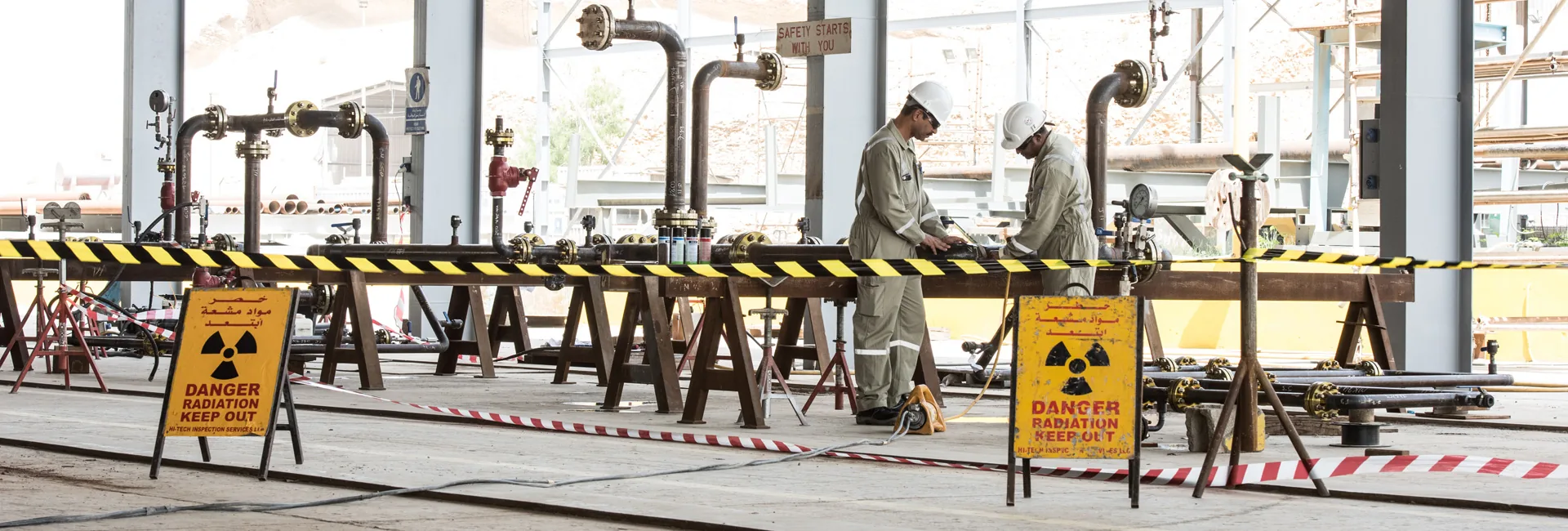
Our Eddfyi Under Water Probes Are Designed To Tackle Offshore Applications; There Is No Need For Surface Preparation, And The Probe Assesses Remaining Ligaments While The Asset Is Online. Moreover, The Technique Provides Complete Coverage And Does Not Use Radiation, Promoting A Safer Work Environment.